

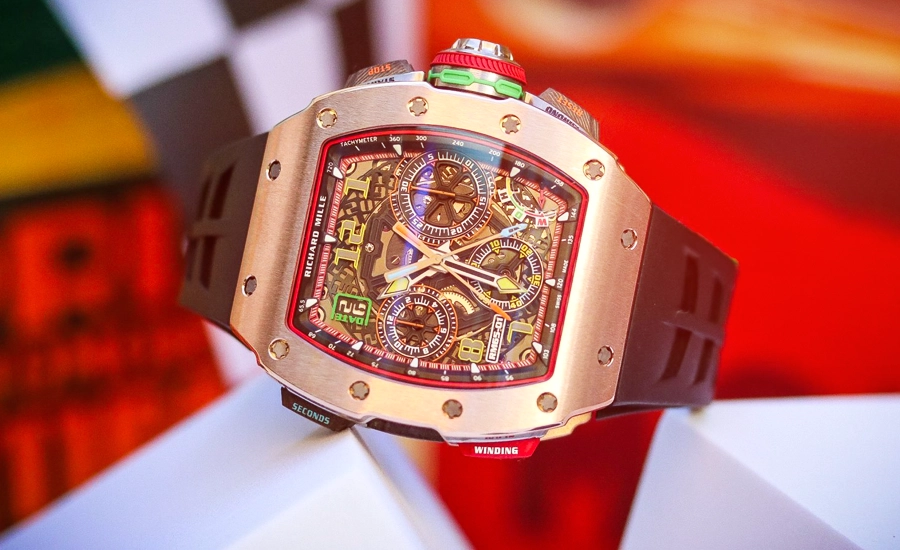
Investing in a Rolex is not just about owning a luxury timepiece; it’s about acquiring a valuable asset. However, with the rise of counterfeit watches, spotting a fake has become more challenging than ever. Knowing the key elements that distinguish a genuine Rolex from a replica is crucial for any collector or buyer.
Key Signs of an Authentic Rolex
- Check the Weight and Materials: A real Rolex is crafted from premium materials such as 904L stainless steel, gold, or platinum, making it significantly heavier than counterfeit versions, which use lower-quality materials.
- Look at the Cyclops Lens: Rolex watches feature a date magnification lens (2.5x) over the date window. Many counterfeits fail to replicate this accurately, leading to a smaller or misaligned magnification.
- Inspect the Movement: Authentic Rolex watches have a smooth sweeping second hand due to their high-quality movement, while fakes often have a ticking motion.
- Examine the Engravings: Genuine Rolex watches have precise, deeply etched engravings, while counterfeits often have rough, shallow, or poorly finished markings.
- Serial and Model Number Verification: Rolex engraves these numbers between the lugs. A genuine Rolex will have a deep, clear engraving, whereas fake watches may have shallow or smudged numbers.
- Sound Test: Authentic Rolex watches operate with near-silent movement, whereas fakes may have an audible ticking sound.
- Caseback Inspection: Most Rolex models have a solid caseback. If a Rolex has a clear or engraved caseback, it’s likely a fake unless it’s a rare model.
- Hologram Stickers and Laser-Etched Crown: Modern Rolex watches feature a small, laser-etched crown on the crystal near the 6 o’clock position, which is difficult for counterfeiters to replicate.
Where to Buy a Genuine Rolex
To avoid counterfeits, only purchase Rolex watches from authorized dealers, reputable resellers, or directly from Rolex boutiques. Request official documentation and verification from a professional watch expert before making a purchase.